
Blogs
Latest blogs

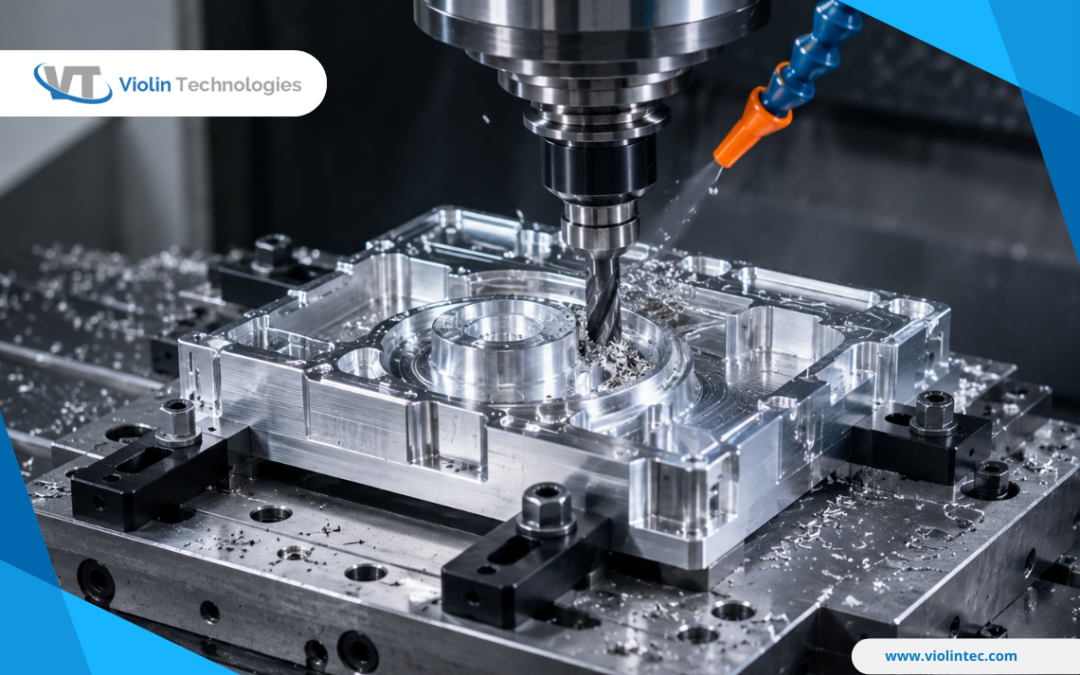
The Real Impact of AI in CNC Machining: Speed, Accuracy & Savings
For years, CNC machining has been known for precision, consistency, and repeatability. Yet manufacturers have always faced the same challenges—unexpected machine downtime, rising labor costs, material waste, and increasing pressure to deliver quality parts in shorter...

Why Tight Tolerances Matter in Aerospace Manufacturing
A gap of 0.002 inches. That is thinner than a human hair, and in aerospace, it is the difference between a component...
Spot Welding Sheet Metal Parts: 7 Tips for Precision and Quality
Spot welding is one of those processes that look simple on the surface but quietly make or break the quality of a...
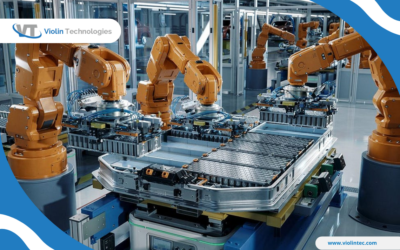
New Product Introduction (NPI) in Manufacturing: Process, Benefits & Best Practices
What Is New Product Introduction (NPI)? New Product Introduction (NPI) is the structured process of transforming a...

Sheet Metal Thickness Selection: Optimize Strength, Weight, and Cost
Choosing the correct sheet metal thickness is one of the most important decisions in any fabrication project. The...
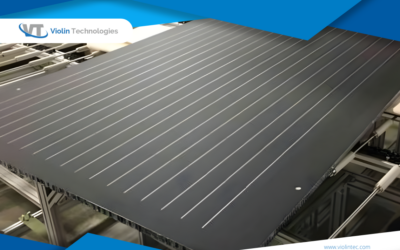
Custom Sheet Metal Fabrication in Renewable Energy: Applications and Benefits
The renewable energy sector is expanding rapidly as industries and governments push toward cleaner and more...
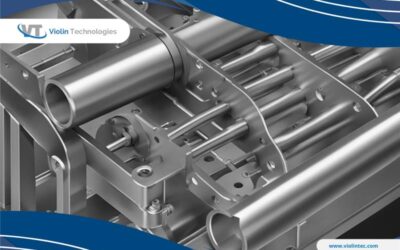
Single Formed Part Vs Welded Assembly in Sheet Metal Fabrication: Key Differences and How to Choose
In sheet metal fabrication, one of the most common design decisions engineers' faces is whether to create a single...

How to Machine Titanium Using CNC: Techniques, Tips, and Challenges
Titanium is one of the most sought-after materials in modern manufacturing. Known for its exceptional strength,...

Medical Device Sterilization Methods: ETO vs E-Beam vs Gamma Explained
Sterilization is one of the most critical steps in medical device manufacturing. No matter how advanced your design or...

HOW AIRCRAFT MATERIALS HAVE EVOLVED: FROM ALUMINUM TO ADVANCED COMPOSITES
Aircraft design has always been shaped by one key question: how can engineers build structures that are lighter,...

Inconel Alloys in Aerospace: Properties, Grades, and Key Applications
The aerospace industry operates in extreme conditions. In these settings, Inconel alloys are known for their high...