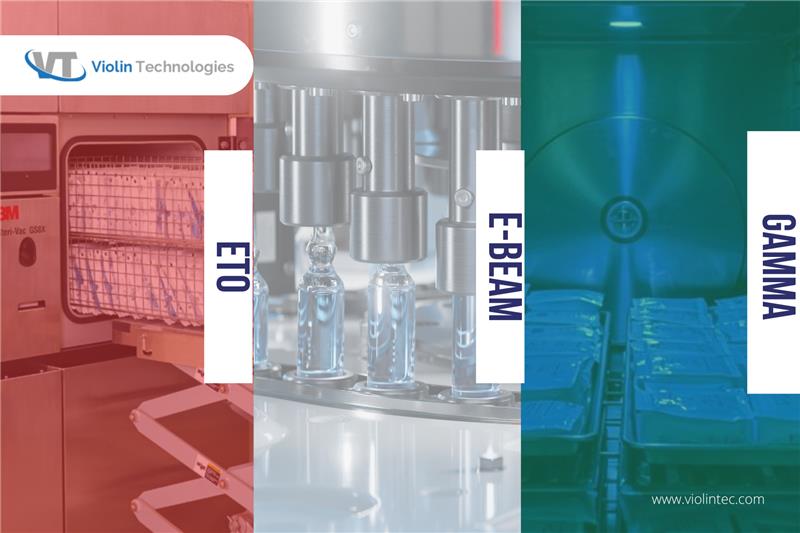
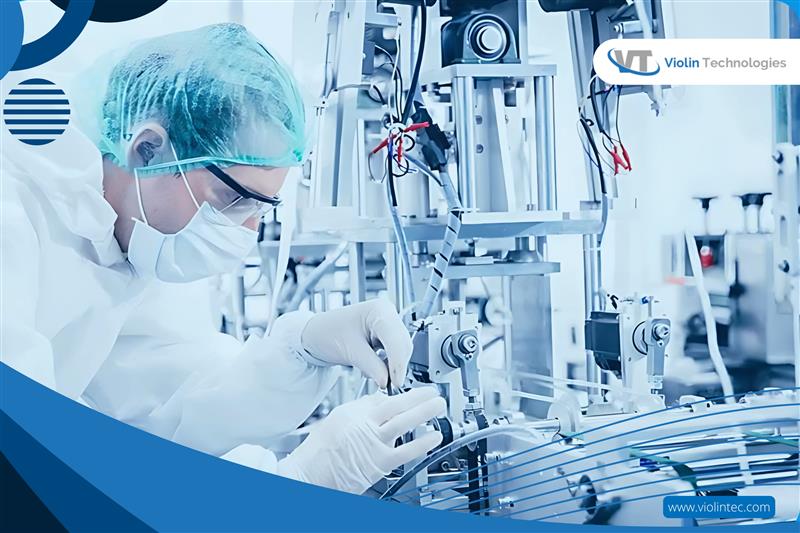
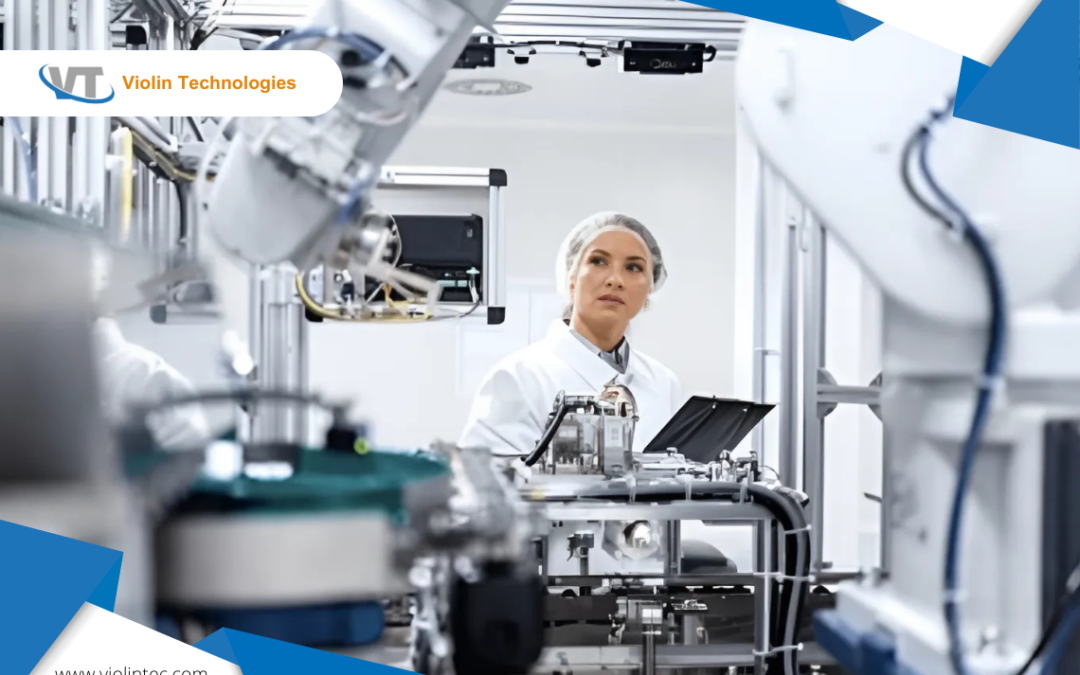
Sterilization is one of the most critical steps in medical device manufacturing. No matter how advanced your design or how precise your machining is, a device cannot enter the market unless it meets strict sterility requirements. Choosing the right sterilization...
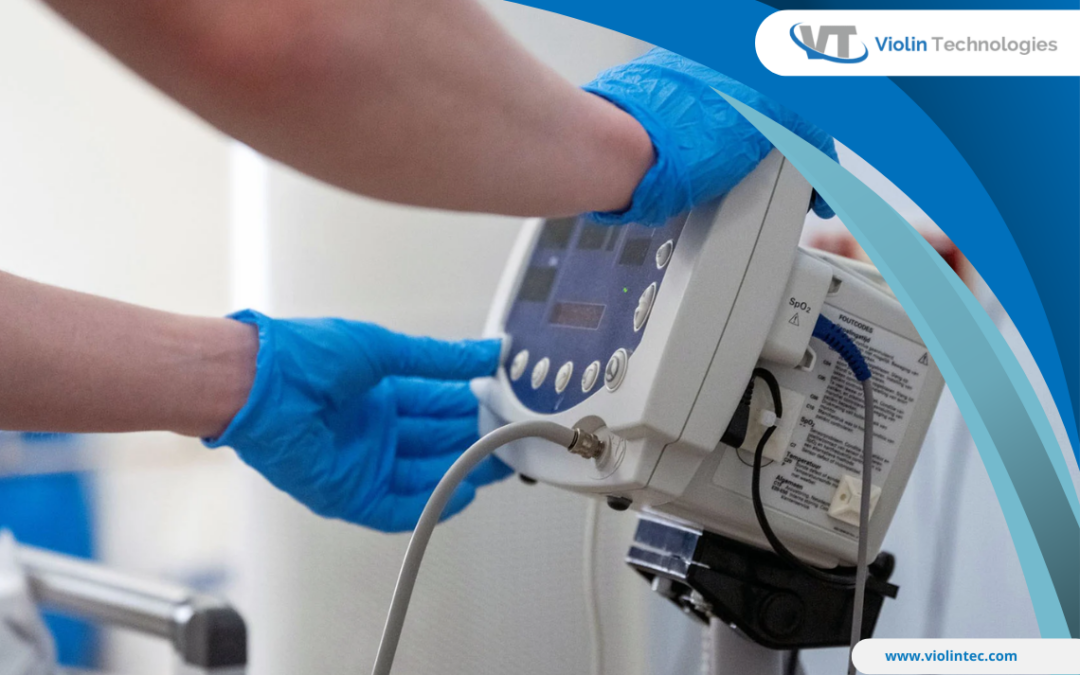
Medical devices are expected to perform reliably in environments where failure is not an option. From operating rooms and intensive care units to home-care settings, devices are exposed to dust, fluids, cleaning chemicals, and repeated handling. Even a small amount of...
Imagine a hospital must find all units of a surgical implant after a defect is found. Chaos, right? Without efficient identification, verifying and recalling the implants could take weeks, time patients can’t spare. With an instant, precise device-tracking...
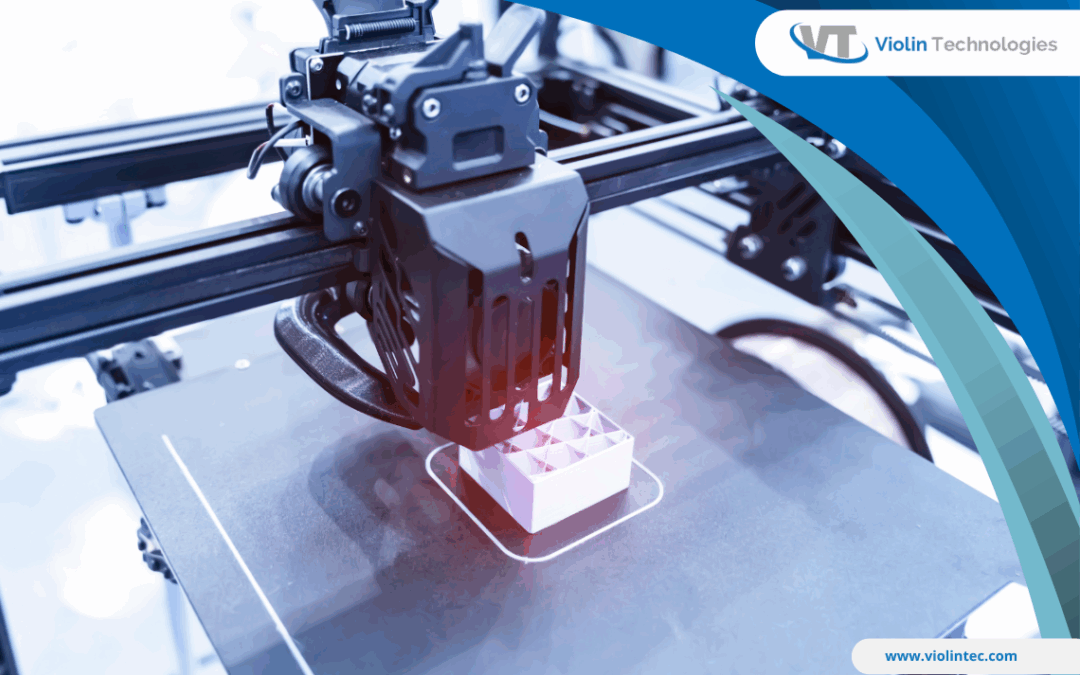
3D printing has become a transformative force in medical device production, offering unprecedented flexibility, customization, and precision. As the technology rapidly advances in 2025, medical device manufacturers are adopting it not just for prototype development...
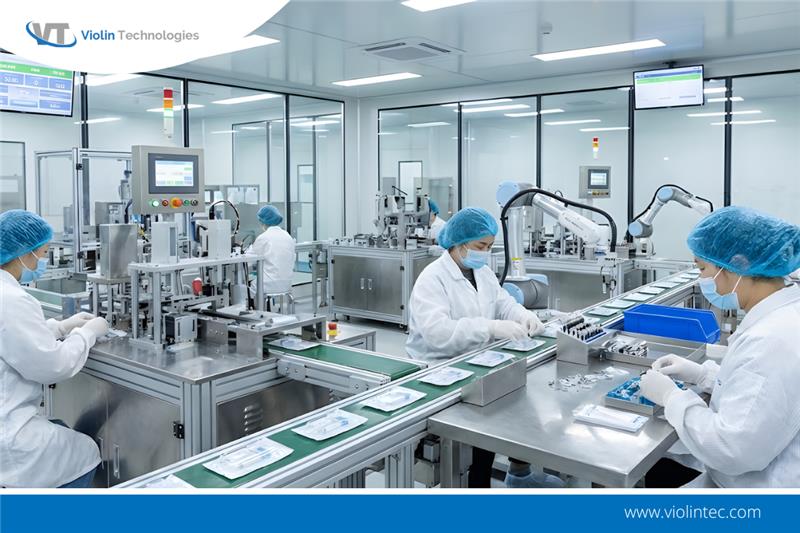
When you think of the medical device sector, you may envision modern labs, cutting-edge technology, and life-saving inventions. However, every innovation has a complicated, risky manufacturing process with its own set of difficulties. To get safe, efficient goods to...
The medical device industry operates under strict regulations, necessitating stringent quality control, precision, and compliance with regulatory standards. These regulations are in place to ensure the safety and effectiveness of medical devices, providing a secure...