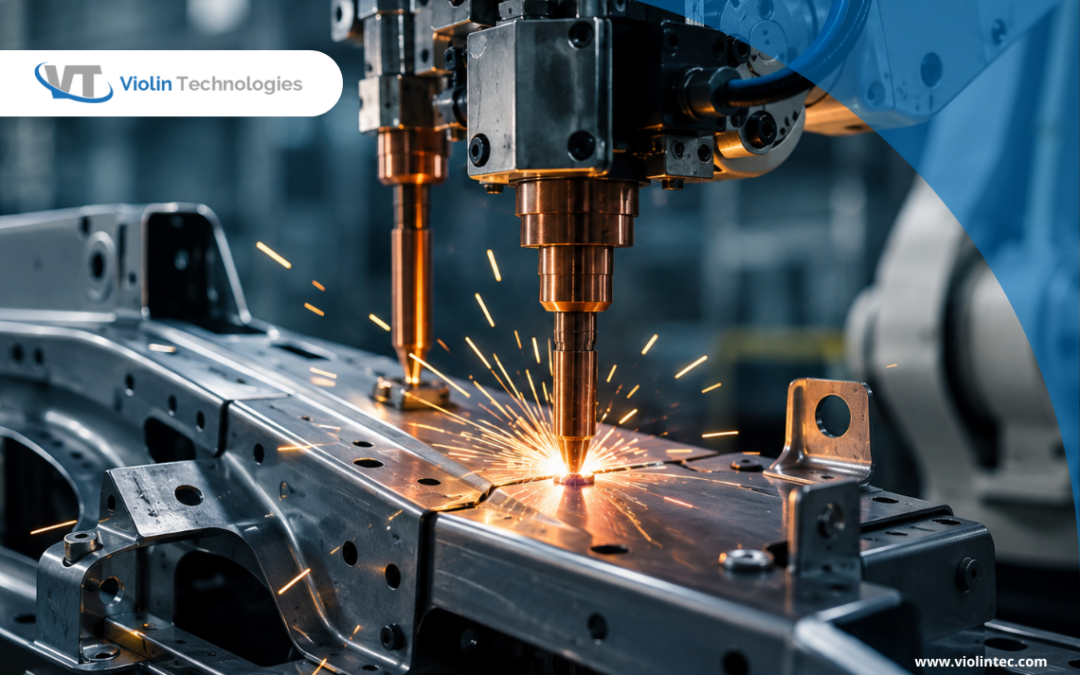
Spot welding is one of those processes that look simple on the surface but quietly make or break the quality of a sheet metal assembly. Get it right, and you save time, money, and a lot of post-weld rework. Get it wrong, and you end up with weak joints, warped parts,...
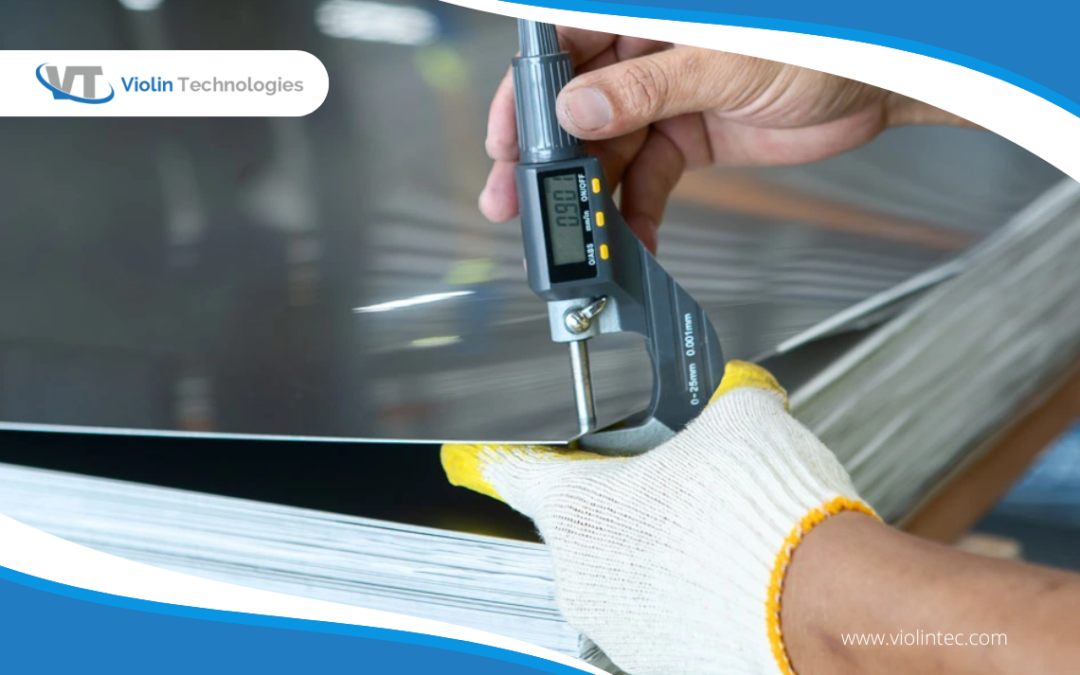
Choosing the correct sheet metal thickness is one of the most important decisions in any fabrication project. The thickness of the material directly affects the strength, durability, weight, manufacturability, and overall cost of the final product. Selecting material...
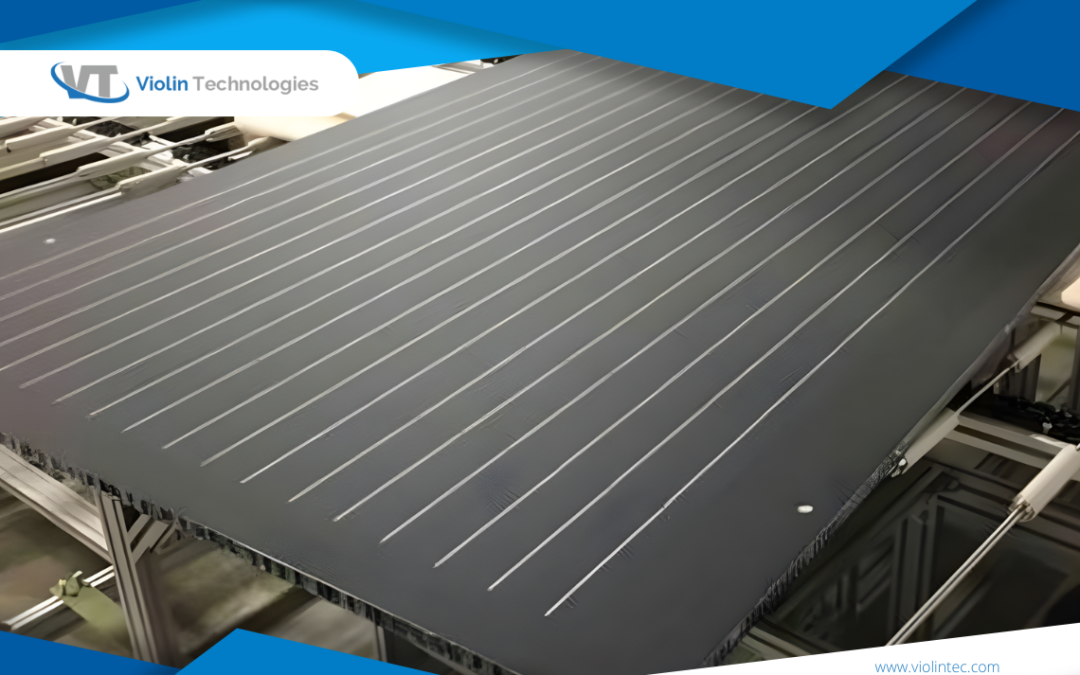
The renewable energy sector is expanding rapidly as industries and governments push toward cleaner and more sustainable power solutions. Behind every solar panel, wind turbine, and energy storage system lies a network of precision-engineered components that ensure...
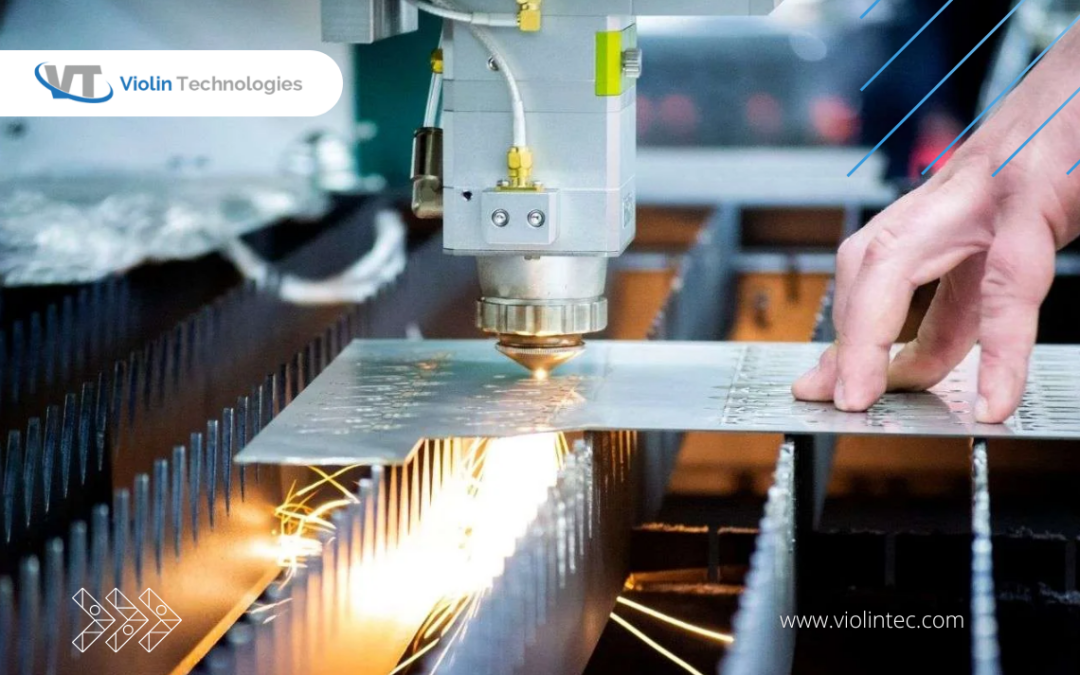
Custom sheet metal fabrication is a precision-driven process. From cutting and bending to welding and finishing, every step must meet exact requirements to ensure parts function as intended. Small variations can lead to fitment issues, rework, or failures in the final...
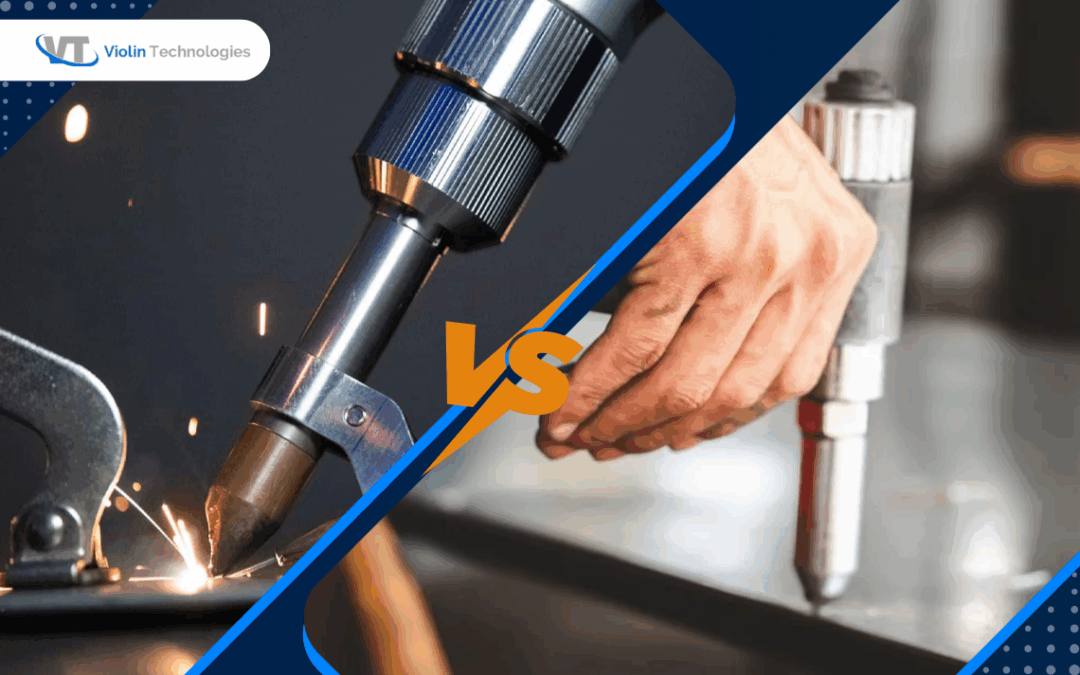
In sheet metal fabrication, the choice of joining methods plays a vital role in the durability, cost, and performance of the final product. Two of the most common techniques are welding and riveting. Each method specifies unique advantages and disadvantages based on...
Sheet metal fabrication is a cornerstone of countless industries, from aerospace to electronics, automotive, and construction. Yet, even experienced engineers and designers can stumble upon common design errors that complicate manufacturing, increase costs, or...